Understanding the House Edge
The house edge is a fundamental concept in gambling that refers to the built-in advantage that casinos have over players in various games. This mathematical edge ensures that, over time, the gambling establishment will always make a profit. For instance, in American roulette, the house edge stands at approximately 5.26%. This means that for every dollar wagered, players can expect the casino to retain around 5.26 cents. Many players also rely on certain betting strategies, including those available through modern betting apps , that can help them manage their bankroll while navigating this edge. This edge is integrated into the game’s design, ensuring that the casino remains profitable regardless of individual player outcomes.
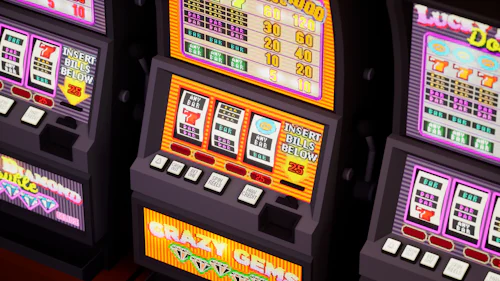
Different games present varying house edges, which can significantly impact a player’s long-term winning potential. Take blackjack, for example, where the house edge can drop to as low as 0.5% with optimal strategy. In contrast, slot machines often have a much higher house edge, ranging from 2% to 15%. For players aiming to enhance their winning chances, understanding these disparities is crucial. It’s not merely about winning in the short term but recognizing how the house edge affects their overall gambling experience and bankroll management.
While players cannot completely eliminate the house edge, they can certainly choose games with lower edges to improve their odds. Additionally, learning and applying game-specific strategies can further mitigate the house edge. Players who dedicate time to understand the mathematical principles behind the games make more informed decisions, which may increase their chances of success. However, it’s essential to keep in mind that luck will always play a significant role in gambling outcomes, regardless of the strategies employed.
Strategies to Minimize the House Edge
Though completely overcoming the house edge is a tall order, players can adopt various strategies to lessen its impact on their gaming experience. One effective strategy is card counting in blackjack, where players keep track of the ratio of high to low cards left in the deck. This skillful technique allows them to make better-informed betting decisions, thus increasing their odds of winning. While mastering card counting requires practice and dedication, it exemplifies how players can leverage skill to improve their chances.
Focusing on games that allow for strategic play is another viable approach. Poker is a prime example, as it pits players against one another rather than against the house. In this setup, skilled players can overcome the house edge through their understanding of game strategy and opponent behavior. Mastering poker tactics can tilt the odds in a player’s favor, transforming it into a game where skill and psychological acuity matter immensely.

Effective bankroll management is crucial for minimizing losses in any gambling scenario. Players should establish strict limits on their spending and adhere to these boundaries to avoid chasing losses, a common pitfall that can lead to significant financial setbacks. By combining sound strategies with emotional discipline, players can work toward reducing the house edge while extending their gaming enjoyment. Ultimately, a well-rounded approach that balances strategy and self-control can enhance the overall gambling experience.
The Role of Luck in Gambling
Luck is an undeniable factor that significantly influences the gambling experience. While players may employ various strategies to lessen the house edge, the element of chance can dramatically alter results. For instance, a player utilizing a sound strategy can still face a streak of bad luck that leads to losses. This unpredictable nature is what makes gambling thrilling, yet it also underscores the inherent risks involved. Players must come to terms with the fact that, despite their best strategies, luck will ultimately dictate their short-term outcomes.
The belief that players can consistently beat the house is often fueled by anecdotal success stories of those who have hit jackpots or achieved remarkable wins. However, these instances are exceptions rather than the norm. Casinos are designed with the house advantage integrated into their games, making it challenging for players to achieve consistent long-term success. Therefore, maintaining a realistic perspective on the role of luck is essential for anyone engaging in gambling.
Many gamblers fall prey to the illusion of controlling luck, mistakenly thinking that strategies can guarantee victories. While informed strategies can improve one’s chances, they cannot eliminate the element of chance. Embracing the role of luck while also employing effective strategies allows players to enjoy gambling without succumbing to unrealistic expectations. Ultimately, viewing gambling primarily as entertainment rather than a reliable income source can foster a healthier approach to the experience.
The Psychological Aspect of Gambling
The psychological dimension of gambling profoundly affects a player’s experience and can shape their perception of the house edge. Cognitive biases, such as the “hot hand” fallacy, can lead players to mistakenly believe that a winning streak is ongoing, which may tempt them to increase their bets. This distortion of perception can obscure the reality of the house edge and inflate their confidence in beating it. Therefore, understanding these psychological factors is crucial for developing a more balanced and rational approach to gambling.
Moreover, players often experience confirmation bias, where they tend to remember their wins while forgetting their losses. This selective recollection can foster unrealistic expectations and lead to repeated betting behavior, despite the persistent house advantage. To counteract these biases, it is beneficial for players to maintain comprehensive records of their wins and losses. This practice can provide valuable insights into gambling behavior and facilitate more informed decision-making in the future.
Ultimately, recognizing the psychological aspects of gambling can help players cultivate a more sustainable approach. By being aware of cognitive biases, individuals can create strategies that not only enhance their gameplay but also foster a healthier mindset. A thorough understanding of both strategies and psychological influences contributes to a more enjoyable gambling experience and reduces the likelihood of chasing losses or developing destructive betting patterns.
Conclusion and Resources for Gamblers
In conclusion, while the challenge of beating the house edge in gambling may appear daunting, understanding the underlying principles, employing effective strategies, and acknowledging the integral role of luck can significantly enhance a player’s overall experience. It is crucial for players to maintain realistic expectations and approach gambling primarily as a form of entertainment rather than a guaranteed income source. Practicing emotional management, maintaining discipline, and continuously seeking knowledge about various games can lead to a more rewarding gambling journey.
For those eager to delve deeper into the world of gambling, numerous resources are available that offer insights into diverse strategies, game mechanics, and the psychological aspects involved. Engaging with educational materials, online forums, and communities dedicated to gambling can provide valuable information and support for players. Additionally, understanding responsible gambling practices is vital for ensuring a healthy relationship with this form of entertainment, allowing players to enjoy the thrill while minimizing potential risks.
By exploring these resources, players can learn how to approach gambling with a more informed mindset. From books on gambling strategies to online courses about game theory, there are many avenues to enhance one’s understanding. Furthermore, connecting with experienced players can provide mentorship opportunities and insights that may not be readily available in traditional learning environments. Ultimately, fostering a responsible and informed approach to gambling can lead to a more enjoyable and sustainable experience.